
Sustainable play in gaming is increasingly recognized as a critical factor in maintaining long-term engagement and player satisfaction. When players experience an environment that prioritizes balance, fairness, and responsible interaction, they are more likely to remain committed to a game over months and even years. This approach not only benefits the player but also enhances the reputation and stability of the platform, creating a mutually reinforcing cycle that fosters loyalty and trust. By focusing on sustainable play, developers and operators can cultivate a healthy ecosystem where the thrill of gaming does not come at the cost of frustration, burnout, or financial strain.
One key aspect of sustainable play is the careful design of reward systems and progression mechanics. Games that offer consistent, achievable milestones encourage players to engage regularly without feeling pressured to overspend or overcommit time. By pacing rewards and integrating meaningful achievements, developers can sustain a player’s interest over the long term. This approach helps avoid the pitfalls of instant gratification models, which may lead to rapid spikes in engagement followed by equally rapid declines as players exhaust content or experience fatigue. Gradual and thoughtful progression provides players with a sense of accomplishment and ongoing motivation to continue, creating a cycle that supports longevity rather than fleeting bursts of activity.
Equally important is the role of transparent and fair game mechanics. Players are more likely to remain engaged with a system they understand and trust. Clear rules, visible odds, and predictable outcomes reduce the anxiety and frustration often associated with complex or opaque gaming systems. When players feel confident that their efforts are rewarded in a fair and comprehensible manner, they develop trust in the platform, which directly contributes to extended play. Transparency also discourages exploitative behaviors and reduces conflicts between players and operators, creating an environment where enjoyment is prioritized over manipulation or perceived advantage.
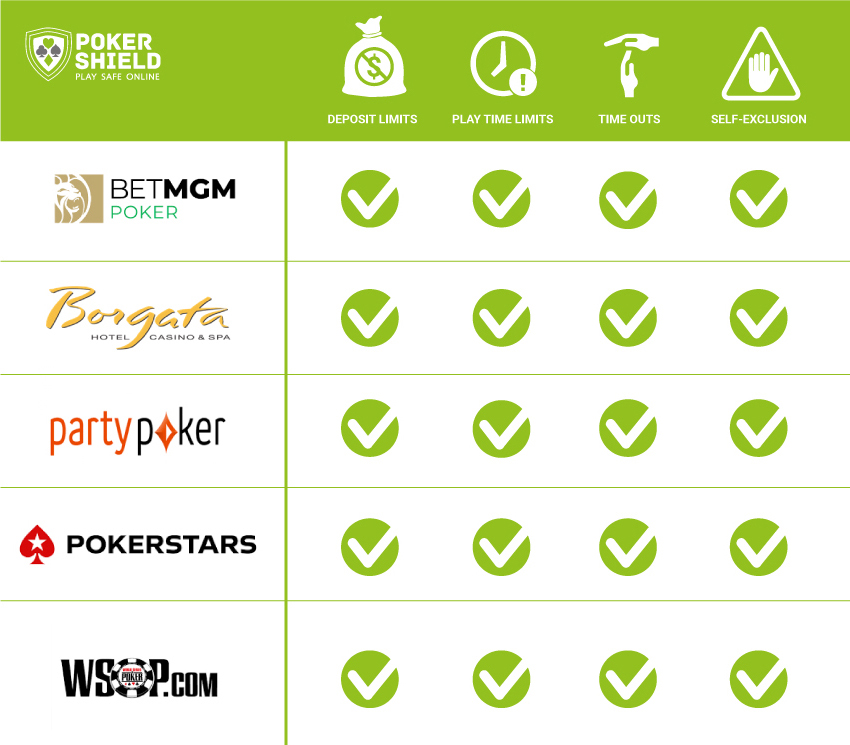
Another component of sustainable play is the integration of responsible gaming tools. These features allow players to monitor and regulate their behavior, including time spent, money invested, and overall engagement patterns. Tools such as spending limits, session reminders, and self-assessment prompts empower players to enjoy gaming without risking harm or excessive stress. When individuals can make informed decisions about their participation, they are more likely to maintain a balanced approach that supports long-term involvement. Responsible play mechanisms signal that the platform values player well-being, which in turn strengthens loyalty and fosters a positive community culture.
Community engagement also plays a pivotal role in promoting sustainable play. Games that cultivate social interaction, collaboration, and shared experiences tend to retain players more effectively. Active forums, team-based challenges, and cooperative events create a sense of belonging and collective achievement. Players who feel connected to a community are less likely to abandon a game abruptly, as social bonds contribute to their motivation and emotional investment. Additionally, communities often serve as informal support networks, helping individuals navigate challenges, celebrate successes, and maintain interest over extended periods.
Adaptability and content updates are crucial for sustaining long-term engagement. Games that evolve over time, introducing new challenges, storylines, or features, prevent stagnation and keep the experience fresh. Sustainable play is not just about moderation; it also involves maintaining a dynamic environment that adapts to player preferences and emerging trends. Regular updates, seasonal events, and innovative mechanics create opportunities for renewed interest, encouraging players to return and explore novel experiences. This adaptability ensures that a game remains relevant and compelling, extending its lifespan well beyond initial launch phases.
Psychological factors also contribute significantly to sustainable play. Players are more likely to engage over the long term when they experience a balance between challenge and skill. Games that offer adjustable difficulty, personalized objectives, or multiple pathways to success cater to diverse player profiles, reducing frustration and disengagement. By supporting both casual and dedicated players, sustainable design accommodates a wide range of play styles and commitment levels. This inclusivity encourages ongoing participation, as individuals feel empowered to define their own pace and approach, fostering a sense of agency and satisfaction.
Financial design is another critical aspect of sustainability. Monetization strategies that respect player autonomy and provide clear value help prevent negative perceptions and burnout. Systems that avoid predatory mechanics, such as excessive microtransactions or pay-to-win models, encourage trust and long-term participation. When players perceive that spending is optional, fair, and balanced with meaningful in-game benefits, they are more likely to engage consistently and positively. Sustainable financial design ensures that both players and operators benefit without compromising the integrity of the gaming experience.
The role of data and analytics cannot be overlooked in supporting sustainable play. By monitoring player behavior, preferences, and engagement patterns, developers can identify potential stress points, churn risks, or opportunities for enhancement. Data-driven insights enable proactive interventions, such as personalized content recommendations, reminders for balanced play, or targeted rewards. This responsiveness not only enhances the player experience but also reinforces the platform’s commitment to responsible and sustainable engagement.
Ultimately, sustainable play is about creating an ecosystem where players can thrive, remain engaged, and enjoy a balanced experience over the long term. It integrates fairness, transparency, responsible gaming tools, community interaction, adaptive content, psychological balance, ethical monetization, and data-informed design. When these elements are thoughtfully combined, they produce an environment where players feel valued, empowered, and motivated to continue participating. This approach extends the lifespan of both the player’s engagement and the game itself, ensuring that enjoyment, satisfaction, and loyalty endure over time. By prioritizing sustainability, the gaming industry can cultivate lasting relationships with its audience, fostering an environment where entertainment and responsibility coexist harmoniously, and where longevity is the natural outcome of thoughtful, player-centric design.

Leave a Reply